
Discover the Forgotten Stories of Sutanuti, Shobhabazar, Bagbazar, Pathuriaghata and Kumartuli
There is a different kind of beauty in North Kolkata. It is not the beauty of modern buildings or wide roads, but of old residential houses, traditional courtyards, narrow streets, centuries-old temples and the everyday life that continues much as it did generations ago.
A walk through North Kolkata is like turning the pages of an old history book. Every neighbourhood has its own character, every old building has a story, and every lane seems to hold memories of another time.
The North Kolkata Heritage Walk takes visitors through some of the city’s most historically significant neighbourhoods, including Sutanuti, Shobhabazar, Bagbazar, Pathuriaghata and Kumartuli. From the legacy of old Bengali merchant families to the creative workshops of traditional idol makers, this journey offers a closer look at the cultural roots of Kolkata.
For anyone interested in history, architecture, photography, Bengali culture or simply exploring the city beyond its popular tourist attractions, this is an experience worth discovering.
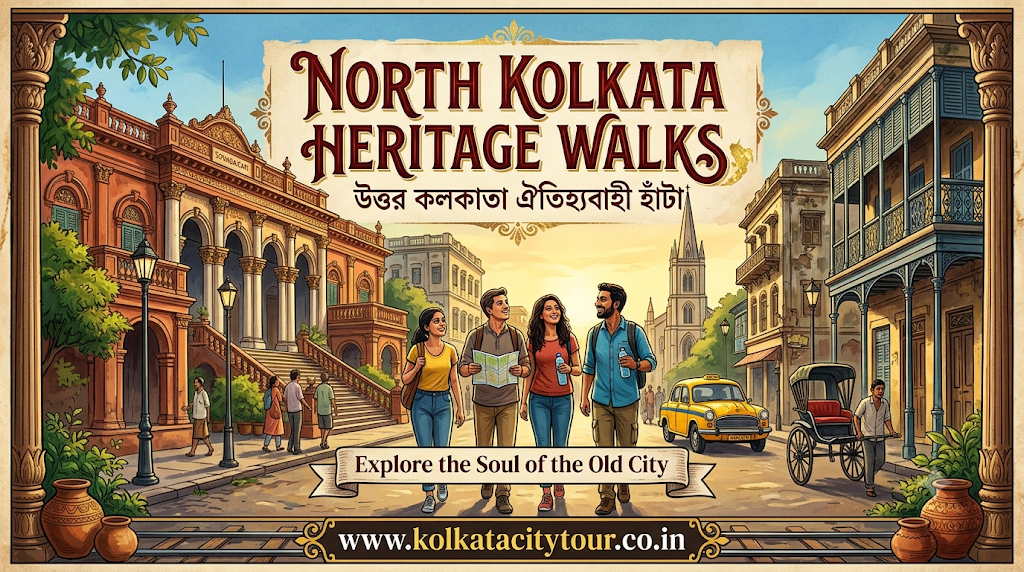
Sutanuti – Where the Story of Old Kolkata Begins
Sutanuti is one of the three historic villages traditionally associated with the formation of Calcutta, along with Kalikata and Gobindapur.
Long before Kolkata became a major colonial city, this area was known for its local markets, trading activities and settlements. Its name is often associated with the traditional yarn trade, reflecting the commercial activities that once flourished here.
The neighbourhood developed along the eastern bank of the Hooghly River and became an important part of early Calcutta’s native settlement.
Walking through the older lanes of Sutanuti gives visitors a glimpse of the city’s early urban character. Traditional houses, old religious establishments, historic streets and river-facing neighbourhoods create an atmosphere that is very different from modern Kolkata.
The area also provides an opportunity to understand how trade, migration and local communities shaped the early city.
What to explore in Sutanuti:
- Historic neighbourhood lanes and traditional Bengali houses.
- Old temples and local religious establishments.
- The heritage surroundings of the Hooghly River.
- Traditional markets and the everyday life of old Kolkata.
Sutanuti is an ideal starting point for understanding the history behind North Kolkata.
Shobhabazar – The Grandeur of Old Bengali Aristocracy
Shobhabazar is one of the most recognisable heritage neighbourhoods in North Kolkata. The area is closely associated with the wealthy Bengali families, landlords and influential personalities who played important roles in the city’s social and cultural development.
The most famous landmark here is Shobhabazar Rajbari, associated with Raja Nabakrishna Deb.
The Rajbari is particularly known for its traditional Durga Puja, which became an important part of Kolkata’s cultural history during the eighteenth century. Its grand courtyard, traditional thakurdalan and architectural details offer a glimpse into the lifestyle and customs of Bengal’s aristocratic families.
The old mansions of Shobhabazar reflect a period when family gatherings, religious celebrations, music, theatre and cultural events were central to social life.
A heritage walk through this neighbourhood is not simply about seeing old buildings. It is about understanding the traditions and family histories that helped shape Bengali society.
Highlights of Shobhabazar:
- Shobhabazar Rajbari.
- Traditional Bengali mansion architecture.
- Old courtyards and thakurdalans.
- The history of Bonedi Bari Durga Puja.
- Heritage streets and traditional neighbourhood culture.
For visitors interested in Bengali heritage, Shobhabazar is one of the most rewarding stops on a North Kolkata walking tour.
Bagbazar – Heritage, Riverfront and Traditional Kolkata Life
Bagbazar has a special place in the cultural history of North Kolkata. Situated close to the Hooghly River, this neighbourhood combines religious traditions, old residential architecture and the everyday charm of a traditional Bengali locality.
The area has long been associated with prominent Bengali families, traditional houses, temples and riverfront activities.
One of the most interesting experiences here is visiting the historic ghats along the Hooghly. These riverfront spaces have been part of local life for generations. Even today, visitors can observe people offering prayers, performing daily rituals, taking a peaceful walk or spending time beside the river.
Bagbazar Ghat and the surrounding riverfront provide excellent opportunities to experience a quieter side of Kolkata.
The neighbourhood is also historically connected with Sri Sarada Devi and the Ramakrishna movement. The nearby Udbodhan House, popularly known as Mayer Bari, is an important spiritual and historical landmark.
Things to discover in Bagbazar:
- Bagbazar Ghat and the Hooghly riverfront.
- Udbodhan House (Mayer Bari).
- Traditional Bengali residential architecture.
- Old temples and neighbourhood shrines.
- Historic streets and local markets.
Bagbazar is particularly enjoyable for visitors who want to experience the relationship between Kolkata and the Ganges, locally known as the Hooghly River.
Pathuriaghata – The Forgotten Mansions of Old Calcutta
Pathuriaghata is one of the lesser-explored heritage neighbourhoods of North Kolkata. While many visitors know Shobhabazar and Kumartuli, Pathuriaghata remains an interesting destination for those who want to discover the architectural history of old Calcutta.
This neighbourhood was once home to several wealthy Bengali families whose influence extended into business, education, art and culture.
Its old mansions reflect the architectural tastes and social ambitions of the Bengali elite during the colonial period.
One of the notable heritage landmarks in this area is the Pathuriaghata Ghosh Bari, associated with the prominent Ghosh family. The neighbourhood also preserves traces of the old Babu culture, visible in its grand residential buildings, ornate entrances, balconies and traditional architectural details.
Walking through Pathuriaghata can feel like discovering a forgotten chapter of Kolkata’s history.
Unlike more popular tourist areas, the charm here lies in observing the neighbourhood itself. Its old buildings and streets reveal how the city’s wealthy families once lived and expressed their cultural identity.
What makes Pathuriaghata special:
- Historic Bengali mansions.
- Old aristocratic family residences.
- Traditional architecture and decorative facades.
- Stories of the Bengali Babu culture.
- Less-explored heritage streets of North Kolkata.
For architecture enthusiasts, photographers and history lovers, Pathuriaghata deserves a place on any detailed Old Kolkata Heritage Walk.
Kumartuli – The Artistic Soul of Kolkata
No North Kolkata Heritage Walk is complete without visiting Kumartuli.
Known across the world for its traditional clay idol makers, Kumartuli is one of the most fascinating cultural neighbourhoods in Kolkata.
The name Kumartuli comes from the traditional potter community that settled here. Generations of artisans have made this neighbourhood their home and workplace, passing down their skills from one generation to the next.
Walking through the narrow lanes, visitors can see artists working with clay, shaping faces, creating hands and preparing beautiful idols of Hindu deities.
The neighbourhood becomes especially lively in the months leading up to Durga Puja. Workshops fill with unfinished idols at different stages of preparation. Bamboo structures, clay figures, painted faces and traditional decorations create an unforgettable atmosphere.
However, Kumartuli is not only about Durga Puja. Its artisans also create idols for Kali Puja, Saraswati Puja, Jagaddhatri Puja and other religious festivals.
The craft represents a living tradition that has survived changing times while continuing to remain an important part of Kolkata’s cultural identity.
What to experience in Kumartuli:
- Traditional clay idol-making workshops.
- Meet and observe local artisans at work.
- Learn about the stages of Durga idol preparation.
- Explore narrow artisan lanes.
- Photography of traditional craftsmanship, with permission.
For international travellers, Kumartuli offers a rare opportunity to see the artistic traditions of Bengal up close.
Ganges Riverfront – A Different Perspective of North Kolkata
The Hooghly River has always played an important role in the history and development of Kolkata.
The riverfront areas around Bagbazar, Ahiritola and nearby neighbourhoods offer a different experience from the busy streets of the city.
Historic ghats, boats, religious activities and the changing colours of the river create a peaceful atmosphere, particularly during the early morning and evening hours.
A walk along these riverfront locations allows visitors to understand how closely the people of Kolkata have been connected with the river for generations.
It is also a wonderful opportunity for photography, observing local traditions and taking a break from the busy heritage lanes.
Depending on the route and available time, the riverfront can be included as a relaxing part of the North Kolkata Heritage Walk.
Suggested North Kolkata Heritage Walk Route
For visitors who want to explore these neighbourhoods in a single outing, a guided walking experience can be arranged around the following locations:
- Sutanuti – Discover the early history of Calcutta.
- Shobhabazar – Explore the heritage of Bengali aristocratic families.
- Bagbazar – Experience old neighbourhood streets and historic riverfronts.
- Pathuriaghata – Discover traditional mansions and architectural heritage.
- Kumartuli – Meet the artisans behind Kolkata’s famous clay idols.
- Hooghly Riverfront – Enjoy the historic ghats and riverside atmosphere.
The exact walking order can be adjusted depending on the starting point, local access and time available. Some stretches may be more comfortable by a short local transfer.
A half-day walk is suitable for a shorter introduction, while a more relaxed full-day experience allows visitors to explore the neighbourhoods in greater detail.
Best Time to Enjoy a North Kolkata Heritage Walk
The cooler months between October and March are generally comfortable for exploring North Kolkata on foot.
Early mornings are particularly pleasant for walking through old neighbourhoods, observing local markets and visiting the riverfront.
Durga Puja season is another special time to visit, especially if you are interested in traditional Bengali family celebrations and Kumartuli’s idol-making activities.
However, Kumartuli can become particularly busy before Durga Puja, so visitors should allow extra time and respect the working spaces of local artisans.
Why Explore North Kolkata with a Local Heritage Guide?
Exploring North Kolkata independently can be enjoyable, but understanding its history often requires more than simply visiting landmarks.
Many of the most interesting stories are connected with old family residences, local traditions, neighbourhood temples and the people who have lived here for generations.
A knowledgeable local guide can help visitors understand the significance of historic buildings, explain the traditions of Bonedi Bari families and introduce them to the world of Kumartuli artisans.
For foreign visitors, a guided walk can also make it easier to understand Bengali customs, local architecture and the historical relationship between Kolkata and the Hooghly River.
The experience becomes less like ordinary sightseeing and more like discovering the city through the eyes of someone who knows its streets and stories.
Book a North Kolkata Heritage Walk with Kolkata City Tour
Kolkata is a city best experienced slowly. Its history is not limited to museums and monuments; it lives in its neighbourhoods, family traditions, old buildings, artisan workshops and riverside communities.
From the historic settlement of Sutanuti to the grand mansions of Shobhabazar, the riverfront of Bagbazar, the forgotten architecture of Pathuriaghata and the creative lanes of Kumartuli, North Kolkata offers a remarkable journey through the city’s past and present.
Join Kolkata City Tour to explore the heritage, culture and hidden stories of North Kolkata through a memorable local experience.
Whether you are a history enthusiast, a photographer, a cultural traveller or a first-time visitor, this heritage walk offers a wonderful way to discover the real character of old Kolkata.
Explore Kolkata beyond the usual tourist attractions. Walk through its history, meet its people and discover the stories that make this city unique.
Visit: https://kolkatacitytour.co.in/
Frequently Asked Question – FAQ’s
Q. What is included in a North Kolkata Heritage Walk?
A. North Kolkata Heritage Walk can include Sutanuti, Shobhabazar Rajbari, Bagbazar, Pathuriaghata, Kumartuli and selected Hooghly riverfront locations.
Q. How long does a North Kolkata Heritage Walk take?
A. short heritage walk can take around 3–4 hours, while a detailed exploration may require 5–6 hours or more.
Q. Is Kumartuli worth visiting?
A. Yes. Kumartuli is famous for its traditional clay idol-making workshops and offers visitors an opportunity to observe generations-old Bengali craftsmanship.
Q. Can foreign tourists join a Kolkata heritage walk?
A. Yes. Foreign tourists can explore North Kolkata with a local guide and learn about Bengali culture, architecture, history and traditional neighborhood life.
Q. What is the best time to visit North Kolkata?
A. October to March is generally comfortable for heritage walks. Early mornings are especially pleasant for exploring historic streets and riverfronts.
Q. Can I book a private North Kolkata heritage tour?
A. Yes. Visitors can enquire about a customised private heritage walk through Kolkata City Tour.